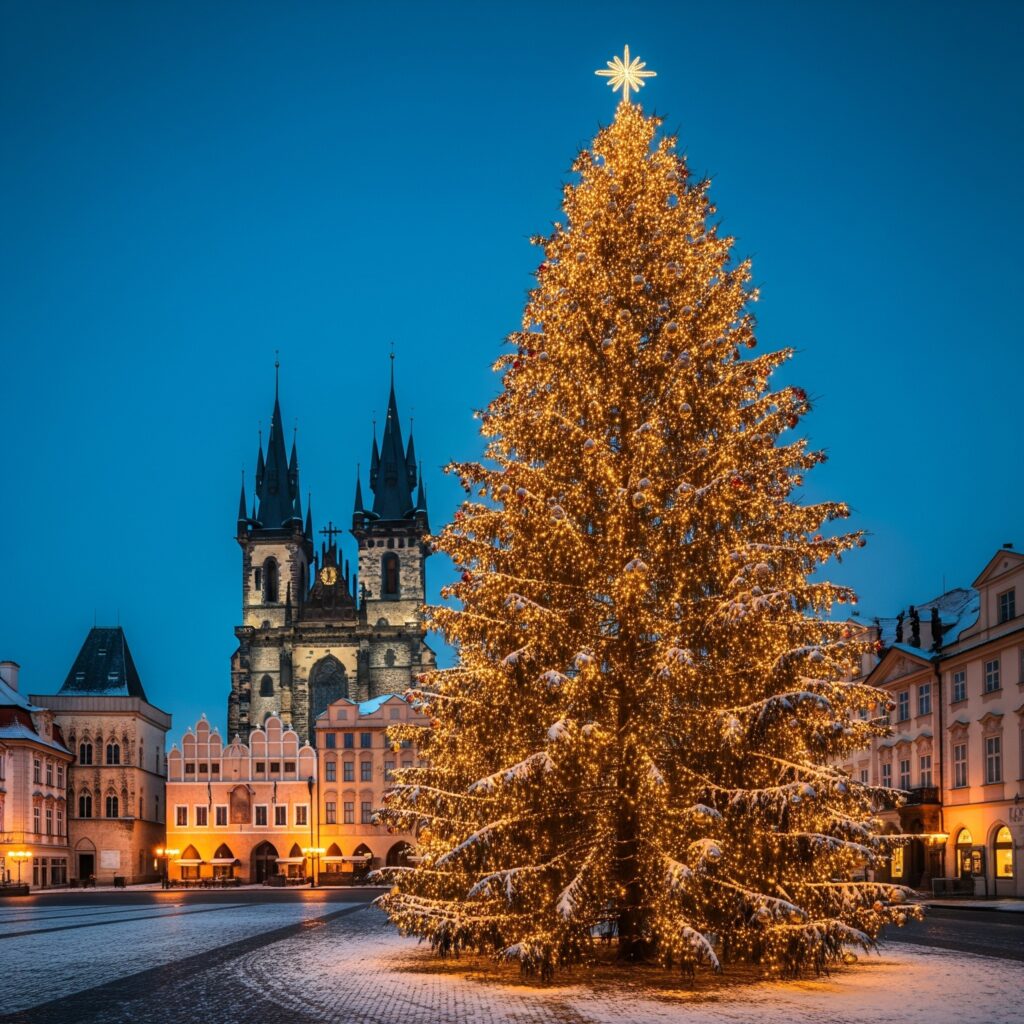
European holiday markets are more than seasonal shopping. At their best, they bring local food, craft traditions, music, and public life into the same square. The experience can be wonderfully atmospheric—but choosing the right market matters more than simply choosing the most famous one.
This guide is designed to help you match the destination to the kind of winter trip you actually want.
Start With the Market’s Personality
No two market cities feel quite the same. Some work best as a concentrated weekend. Others make more sense as one part of a longer rail itinerary or winter river cruise.
Nuremberg: Tradition and Classic Market Culture
Nuremberg’s Christkindlesmarkt is one of Germany’s best-known traditional markets. Its focus on regional food, handmade decorations, and long-established customs makes it a strong fit for travelers who want the classic German experience rather than a theme-park version of Christmas.
The market usually runs from late November through Christmas Eve, with shorter hours on the final day. Dates and hours should always be confirmed on the official market site before booking.
Cologne: Variety Within One City
Cologne offers several distinct markets within easy reach of one another. The cathedral market delivers scale and spectacle, while other neighborhoods offer different themes and a more local pace. Cologne also hosts HEAVENUE, an LGBTQ+-friendly holiday market, which may be especially appealing to LGBTQ+ travelers who want visible community as part of the trip.
This is a good choice for travelers who enjoy variety without changing hotels every night.
Strasbourg: Alsatian Atmosphere
Strasbourg calls itself the Capital of Christmas, and its setting supports the claim: timbered streets, Alsatian food traditions, and multiple market areas woven through the historic center.
It works well for travelers who want a romantic city break with strong regional identity. Strasbourg can also anchor a broader Alsace itinerary with nearby villages, but the most popular periods require early hotel planning.
Prague: A Winter City Beyond the Market
Prague’s Old Town and Wenceslas Square markets bring lights, food stalls, and seasonal performances into one of Europe’s most dramatic cityscapes. The real strength is everything surrounding them: architecture, concerts, neighborhood walks, and the Vltava.
Choose Prague when the market is one chapter of the journey rather than the only reason to travel.
Practical Advice for a Better Visit
Go on Weekdays When You Can
Evenings deliver the lights, but Friday and Saturday nights can be extremely crowded. A weekday late afternoon lets you see the market in daylight, stay for illumination, and still find room to move.
Understand the Mug Deposit
Many German and Central European markets use a deposit system for reusable ceramic mugs. You pay for the drink plus a deposit, then return the mug for the deposit or keep it as a souvenir. The process and amount vary by market.
Carry More Than One Payment Option
Card acceptance has improved, but smaller stalls may still prefer cash. Bring a modest amount of local currency and keep a card available rather than assuming every vendor works the same way.
Protect the Unscheduled Time
Do not book every meal and performance back to back. Markets are most enjoyable when you can follow a scent, stop for music, or leave when the crowd stops being fun.
Build an Itinerary Around the Market
The market may be the anchor, but it should not carry the whole trip. Pair it with experiences that reveal the city beyond the stalls: a neighborhood food walk, a museum morning, a classical concert, a local guide, or an unhurried afternoon café.
Holiday-market routes also pair naturally with rail. A carefully planned sequence can connect two or three cities without turning the journey into a daily hotel change.
River cruises offer another structure. Seasonal sailings can connect several market cities while reducing packing and transport decisions. The right cruise still depends on the river, ports, time ashore, and whether the ship’s atmosphere fits you; market count alone is not enough.
Choose the Trip, Not Just the Market
The most memorable winter itinerary is not necessarily the one with the most stalls. It is the one that balances festive energy with enough quiet, warmth, and time to appreciate where you are.
Annual dates, operating hours, and special events change. Confirm them before booking, and build enough flexibility for winter weather and busy city centers.
If you want help comparing a city stay, rail route, or holiday-market river cruise, start planning with Jamie.