Most travel advice focuses on what to see, where to go, and how much to fit in. Far less attention is paid to how a journey begins.
The first day or two of a European trip often determine whether the rest of the journey feels grounded or exhausting. That is true whether you are traveling for a week or a month.
Arrival is not dead time. It is not something to rush through. It is the foundation the rest of the itinerary stands on.
Arrival Is Part of the Journey
After a long flight, crossed time zones, airport navigation, and a new environment, many travelers feel pressure to “get started” immediately: sightseeing on day one, reservations booked back to back, and a sense that rest equals lost time.
That pressure can be strongest on a shorter trip. When you have seven or ten days in Europe, the instinct is to maximize every hour. Ironically, that makes the first day the most fragile. One rushed arrival can quietly set the tone for the whole week.
Travelers may feel overwhelmed, irritable, disconnected from the place they came to experience, or frustrated that the trip does not yet match the picture in their head. Nothing has necessarily gone wrong. The body simply has not arrived yet.
The Hidden Cost of Rushing Arrival Day
When arrival days are overfilled, the effects tend to compound:
- Small stresses feel larger than they should
- Decision fatigue sets in early
- Travelers feel behind before the trip has truly begun
- Meaningful experiences feel rushed instead of absorbed
European trips can add their own cognitive load: long walking days, dense cities, unfamiliar transport, language differences, and cultural cues that take time to read. The first days are often when travelers are most vulnerable to burnout.
What a Better Arrival Looks Like
A gentler arrival is not about doing nothing. It is about doing less on purpose.
That might mean walking one neighborhood without an agenda, buying groceries instead of booking a formal dinner, sitting at a café and observing, or letting sleep, hunger, and curiosity reset naturally.
It does not require extra vacation days. Even on a one-week journey, protecting the first afternoon and evening can change how the remaining days feel.
These moments rarely become the headline photographs. They are still what allow the rest of the trip to unfold well.
Why Arrival Awareness Matters for LGBTQ+ Travelers
For LGBTQ+ travelers, the first day can serve another purpose. It gives you time to read the social environment, notice how people interact, and understand what feels welcoming, neutral, or unfamiliar.
This is not about assuming danger. It is about giving yourself time to become oriented without pressure. Social cues are easier to read when you are not trying to solve transport, dinner, sightseeing, and jet lag at the same time.
Early ease can build confidence for the days ahead. A thoughtful arrival supports emotional comfort as well as physical rest.
How We Plan for Arrival
At Mythic Horizons Travel, arrival is part of the itinerary rather than a gap before it. Depending on the journey, that may mean:
- Building in buffer time before a transfer or embarkation
- Choosing accommodations in a walkable, lived-in neighborhood
- Avoiding major timed sightseeing on day one
- Planning one simple meal or familiar route for the first evening
- Allowing enough time before a river cruise, ocean voyage, or guided journey begins
The goal is not slowness for its own sake. It is to protect the experiences that matter by avoiding preventable exhaustion.
The Journey Begins Before the Highlights
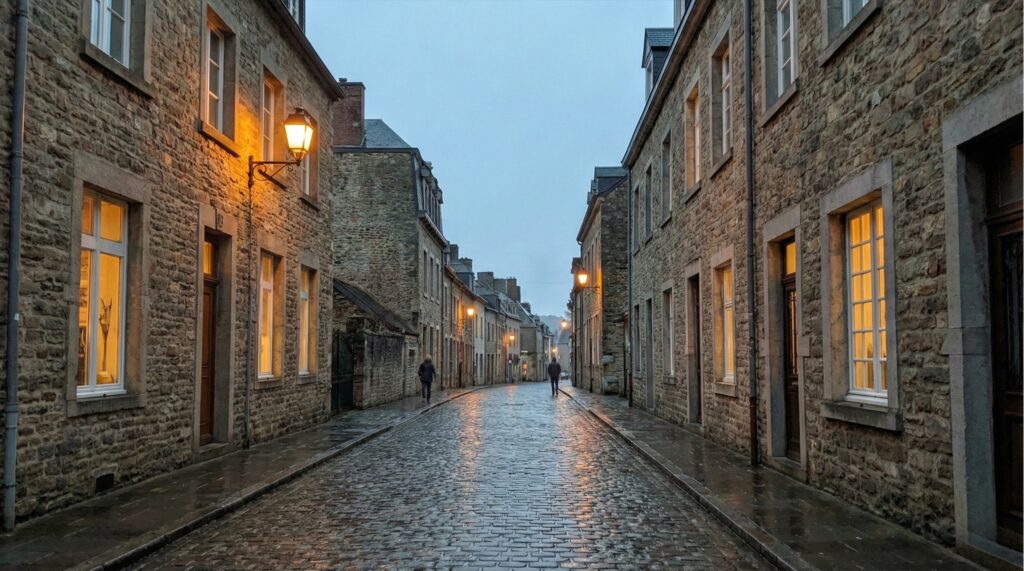
Memorable European journeys do not always begin with a landmark. Sometimes they begin with the sound of a city in the evening, unfamiliar groceries on a kitchen counter, rain on stone streets, or the realization that you do not need to hurry.
Before the itinerary comes the arrival. When you let the journey start gently, the rest of it has room to become more vivid.
If you want an itinerary that accounts for energy, pacing, and the practical realities of arrival—not only a list of highlights—begin a conversation with Jamie.