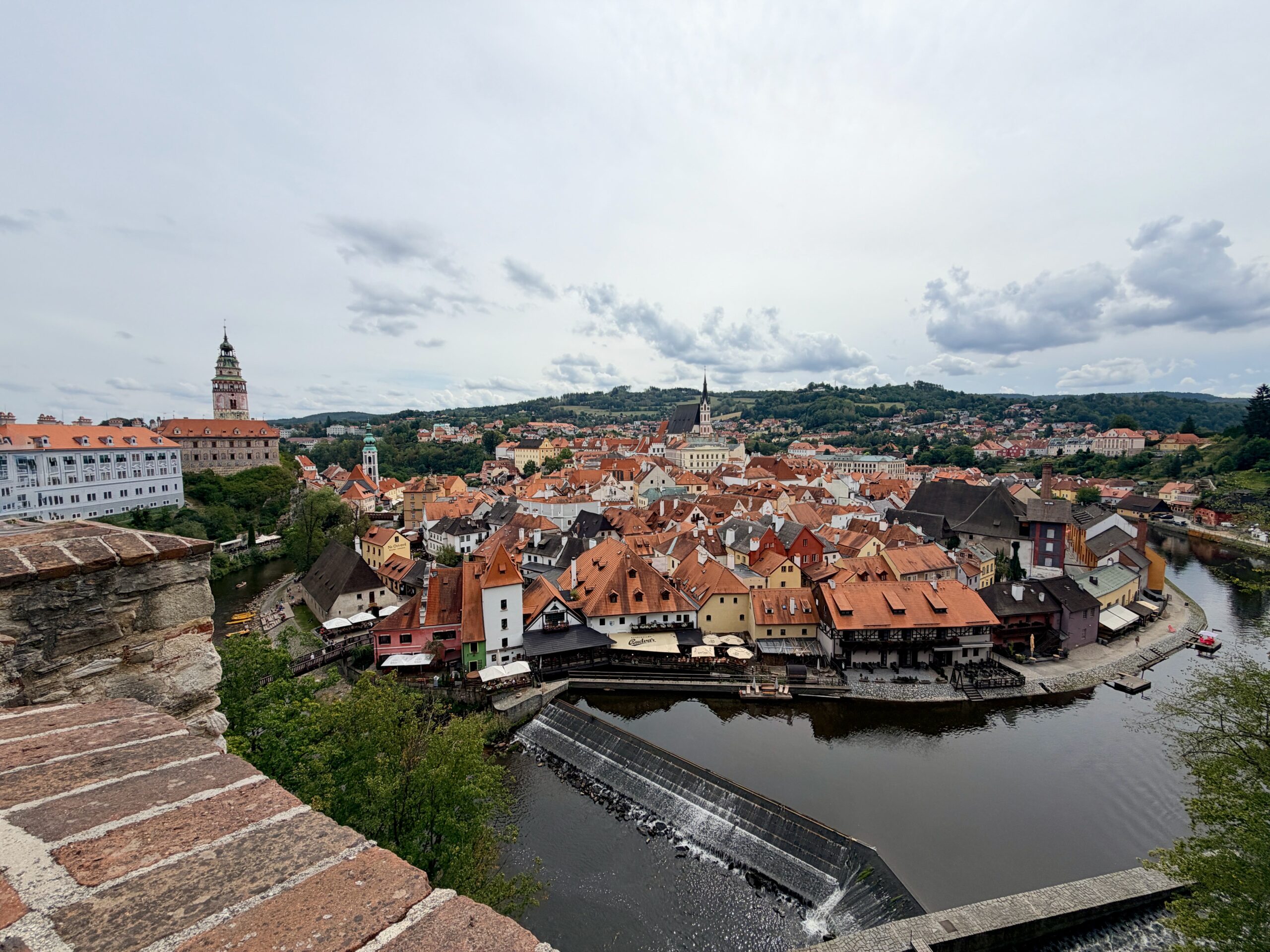
Most conversations about European travel revolve around summer: busy piazzas, long evenings, and a social energy that carries late into the night. It is a compelling version of Europe, but it is not the only one.
For many travelers, spring and fall offer a better balance. Shoulder-season travel can mean fewer crowds and more room to notice local life, but it also comes with trade-offs that are worth understanding before you book.
Fewer Crowds Change More Than the Waiting Time
The obvious benefit is volume: fewer tour groups, shorter lines, and more freedom to move at your own pace.
The deeper shift is mental. When crowds thin, you spend less time negotiating every hour around queues, peak reservations, and packed transit. Museums invite reflection rather than endurance. Streets feel easier to explore. A café stop can remain a pause instead of becoming another scheduled task.
This changes the relationship between traveler and place. You can respond to curiosity rather than to crowd momentum.
Cities Return to Their Local Rhythms
Many European cities change character when high season fades. Restaurants serve more regulars. Neighborhood markets feel less staged. Shopkeepers may have more time to talk. Morning routines and evening walks become easier to see.
The effect is strongest in smaller towns and residential districts, where daily life is often the most interesting part of the visit. You may not cover more ground, but you can understand more of what is around you.
Weather Adds Variety—and Requires Flexibility
Spring and fall weather is often less predictable than summer. Cool mornings can be excellent for walking, and softer light can transform architecture and landscapes. Rain can quiet a city in a beautiful way.
But flexibility matters. Pack layers and a reliable rain shell. Avoid building an itinerary that fails if one outdoor plan changes. In coastal and mountain regions, conditions may differ sharply from one day to the next.
Shoulder season is not a promise of perfect weather. It is a choice to trade certainty for breathing room.
The Trade-Offs Are Real
Some attractions reduce hours outside peak season. Seasonal hotels, restaurants, ferry routes, or excursions may operate on limited schedules or close between busy periods. Daylight is shorter in late fall, and a quiet destination can sometimes feel sleepy rather than peaceful.
These are manageable constraints when checked in advance. Confirm hours directly with operators, keep one flexible day, and avoid planning critical connections too tightly.
If your trip includes a river cruise or ocean voyage, shoulder dates can also change water conditions, port atmosphere, and the mix of available excursions. The right timing depends on the route—not only the price.
Why the Pace Can Help LGBTQ+ Travelers
Slower public spaces can make social cues easier to read. With less pressure to keep moving, travelers have more time to observe tone, context, and what feels comfortable.
That does not make every destination automatically more inclusive, and it does not replace thoughtful research. It simply reduces some of the friction created by congestion, rushed decisions, and overstimulation. For LGBTQ+ travelers, that extra room can support confidence without making identity the sole focus of the trip.
Pace Matters More Than the Month
The biggest misconception is that shoulder season is only about choosing April instead of July, or October instead of August. In practice, the value comes from matching timing to the traveler.
It works especially well for people who prefer:
- Walkable days without extreme heat
- More time in neighborhoods, museums, and cafés
- A flexible plan rather than a rigid checklist
- Local rhythm over peak-season spectacle
- Room to adjust when weather or opening hours change
Shoulder season is not a universal upgrade. It is a different set of conditions—and, for the right traveler, a better fit.
If you are deciding when to travel and want to compare the real trade-offs by destination, route, and pace, start planning with Jamie.